
;)
Colour and texture are two of the most influential tools in hospitality and retail design. They shape atmosphere, guide customer behaviour and create environments that feel memorable and engaging. At Design Intent Studio, these elements play a central role in crafting spaces that elevate brand identity and enhance the overall guest experience. Today we explore the psychology of colour, the art of mixing patterns, the furniture silhouettes influencing commercial interiors and the lighting trends shaping modern venues.
The Psychology of Colour in Commercial Interiors
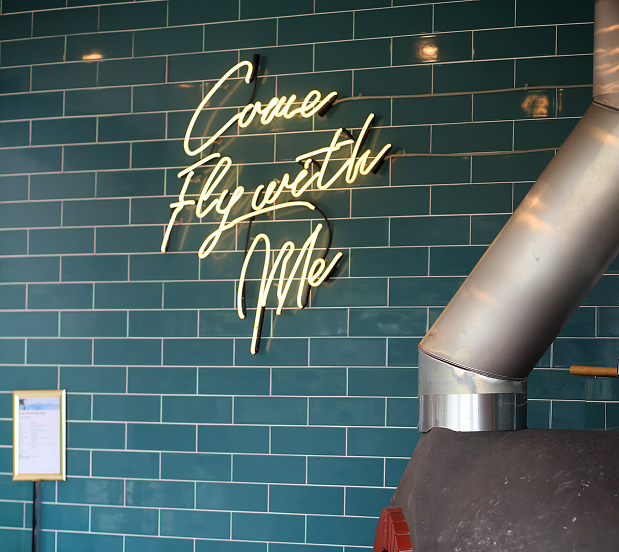
Colour directly affects mood, perception and flow in a venue. Warm colours such as terracotta, ochre and burnt orange create energy and stimulate conversation, making them ideal for restaurants, cafes and bar settings. Cooler tones such as sage, charcoal and deep navy encourage calmness and clarity which is why they are often used in wellness spaces, reception areas and boutique retail environments.
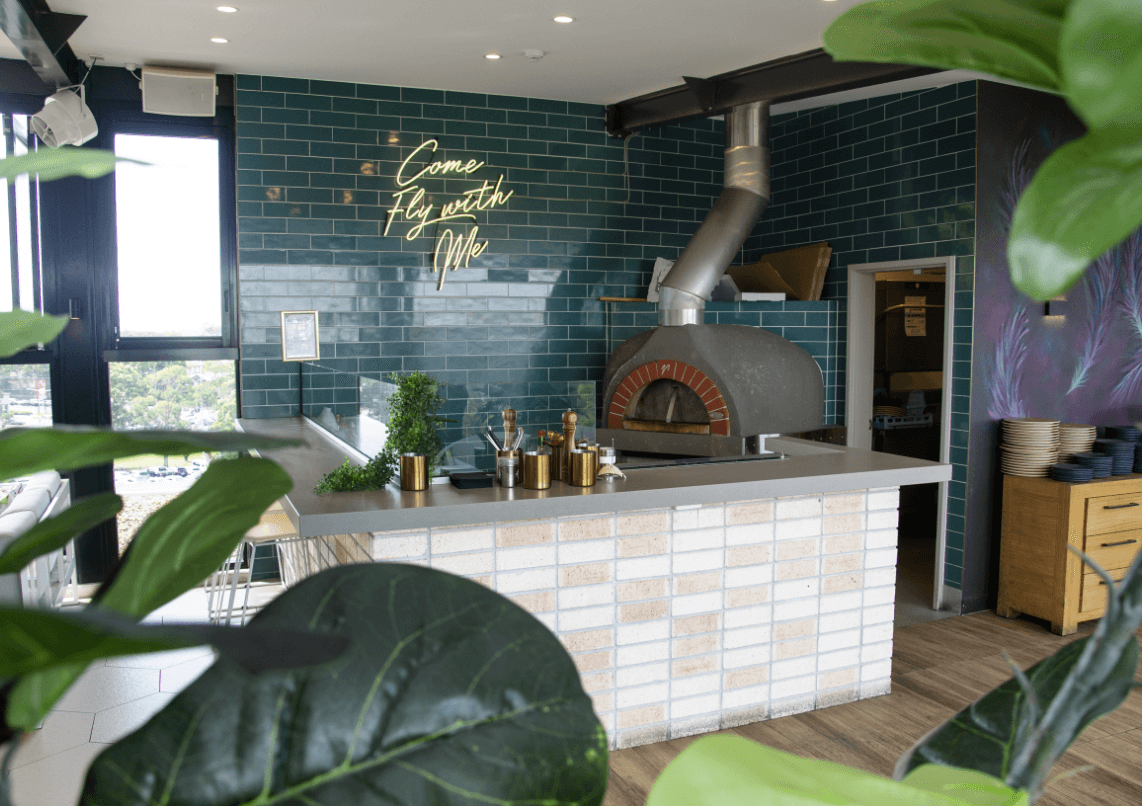
Natural palettes inspired by the outdoors are becoming increasingly popular. Earthy greens, clay tones and muted browns evoke a sense of grounding and authenticity which supports brand storytelling in venues seeking a relaxed or nature led identity. For bold impact, jewel tones like emerald and garnet create sophistication without overwhelming a space when paired with complementary neutral textures.
Understanding colour psychology ensures that every design decision aligns with the desired customer experience and operational flow.
Mixing Patterns with Confidence in Hospitality and Retail Design
Pattern mixing brings personality and visual interest to commercial spaces, helping brands differentiate themselves in competitive markets. The key is balance. Begin with a dominant pattern such as a large scale geometric, abstract motif or botanical print that ties to the brand identity. Secondary patterns can then be introduced in similar colours or shapes but on a different scale to maintain cohesion.
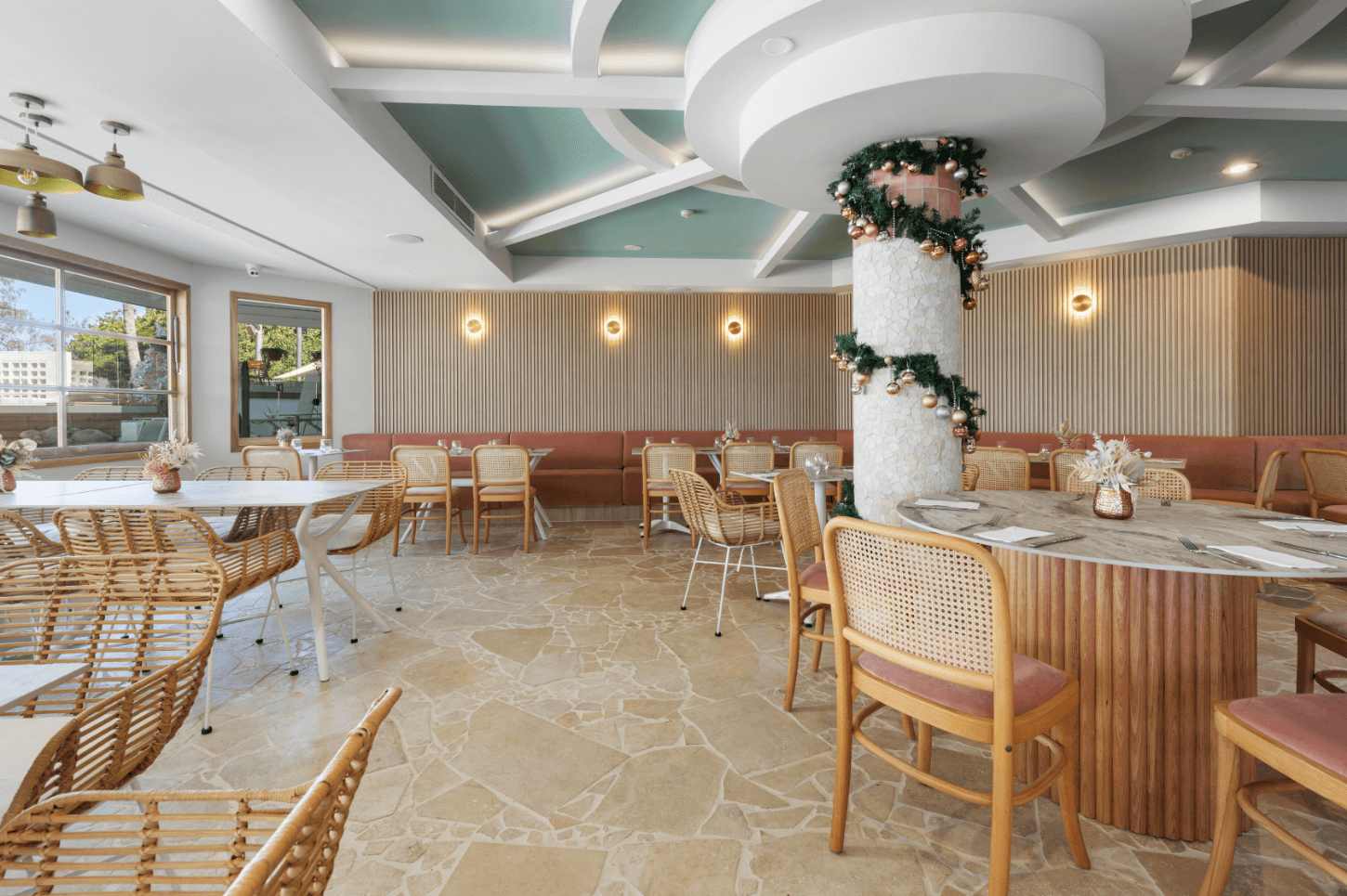
Texture is an essential companion to patterns. Materials like linen, timber, rattan, boucle and textured tiles help soften bold visual elements and create warm, inviting spaces that customers enjoy spending time in. Layering textures also helps guide the eye, allowing pattern to enhance rather than overwhelm the overall design.
Tone on tone patterns are ideal for venues seeking a refined and contemporary look. Subtle stripes, patterned upholstery, textured wall coverings or flooring with gentle variation create depth without distracting from merchandise, table settings or architectural features.
Current Furniture Silhouettes Shaping Hospitality and Retail Venues
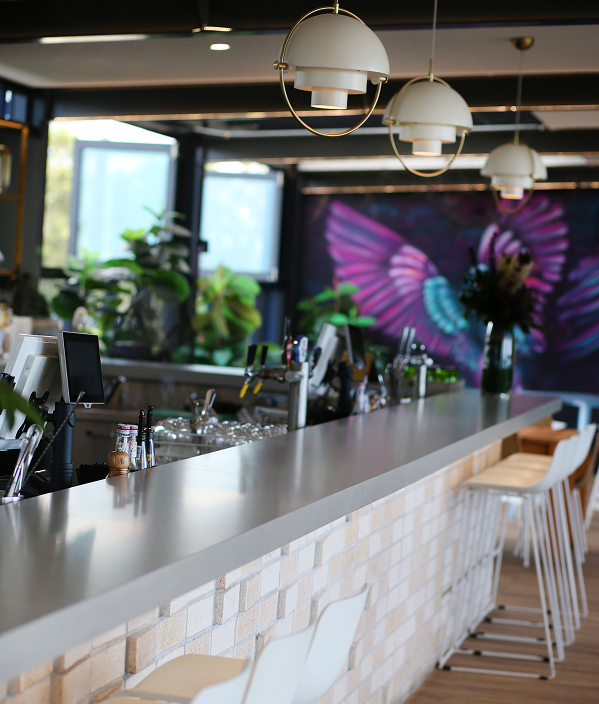
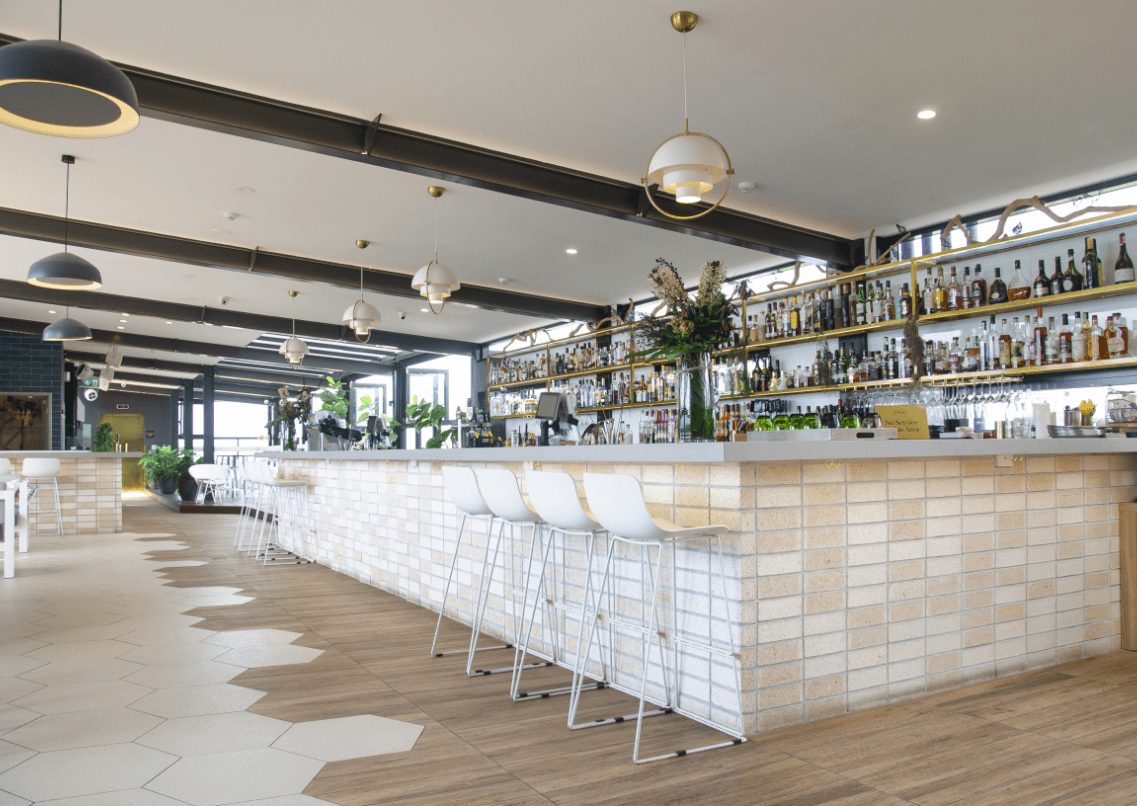
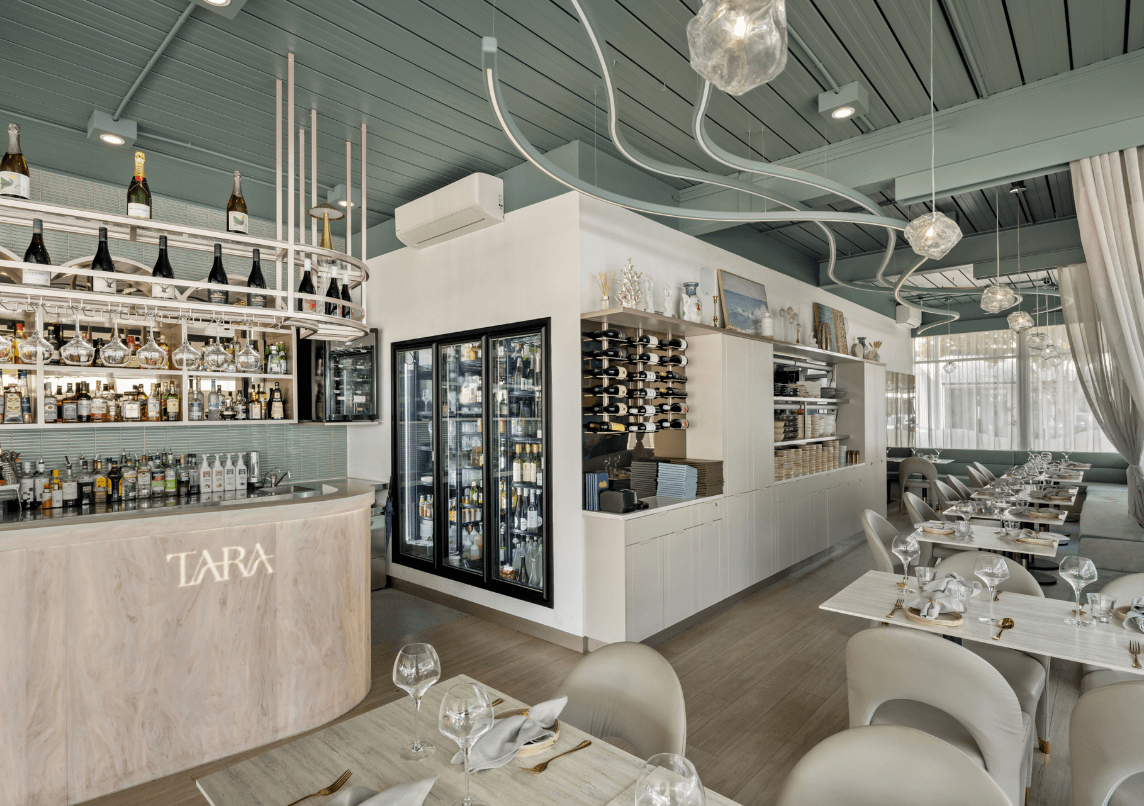
Furniture trends continue to evolve with a strong emphasis on comfort, flow and sculptural appeal. Curved silhouettes remain highly influential with rounded banquette seating, soft edged bar stools and organic shaped tables providing a welcoming look while improving circulation within the space. These forms also support a more intimate, relaxed environment which is ideal for customer dwell time and social interaction.
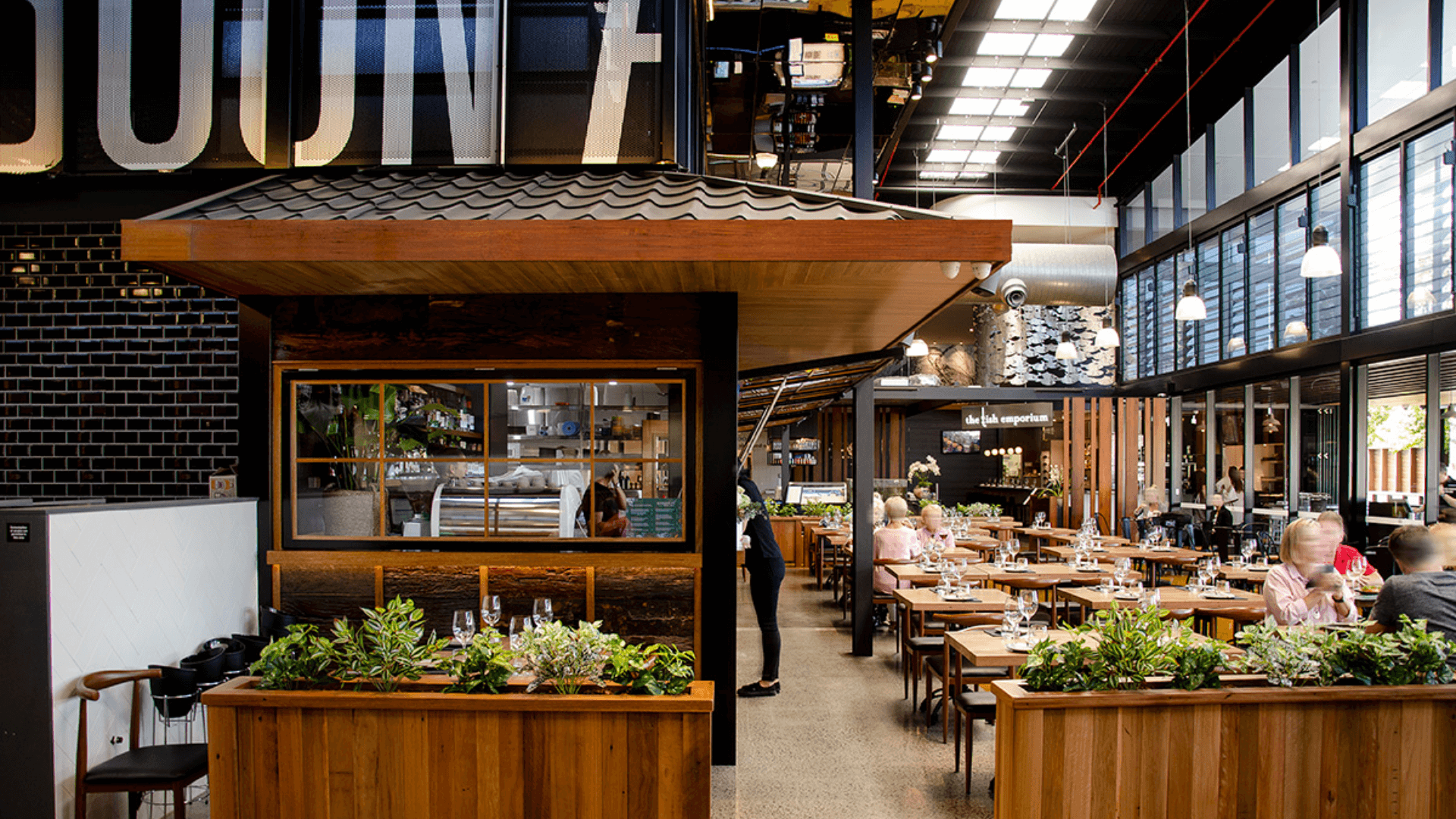
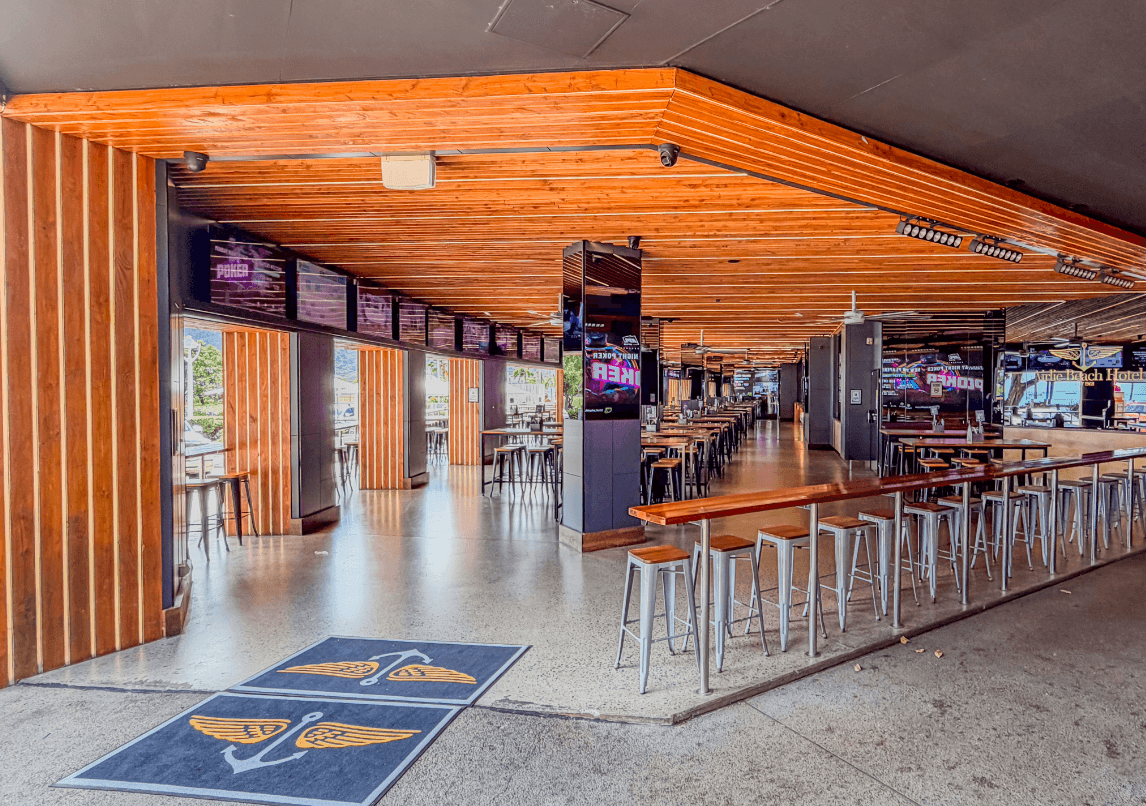
Low profile furniture is gaining popularity in contemporary venues. Pieces with grounded proportions anchor a space visually, complementing minimalist, coastal or industrial inspired interiors. Timber remains a timeless favourite, often highlighted in natural or lightly stained finishes that celebrate craftsmanship and durability.
Mixed material designs are also on the rise. Upholstered elements paired with stone, metal or glass accents bring sophistication and versatility to commercial fitouts. These silhouettes appeal to operators who want pieces that balance visual impact with adaptability and longevity.
Lighting Trends that Influence Customer Experience
Lighting is one of the most powerful drivers of atmosphere in hospitality and retail design. Current trends focus on warmth, ambience and sculptural interest. Statement pendants in ceramic textures, organic forms or brushed metals are frequently used in dining rooms, bars and high impact retail zones to anchor the design and draw attention to key areas.
Layered lighting has become essential. A combination of ambient, task and accent lighting ensures versatility throughout the day and evening. Wall sconces, LED strip lighting under shelving or banquettes and strategically placed floor lamps help eliminate harsh shadows and create depth.
Smart lighting is also becoming more common. Adjustable brightness and colour temperature allow operators to fine tune mood for various service periods, customer demographics or event styles.
Bringing It All Together
When colour, texture, furniture silhouettes and lighting are selected with purpose, hospitality and retail spaces become powerful brand assets. They attract customers, enhance comfort and encourage repeat visitation. At Design Intent Studio, we partner with clients to create environments that feel cohesive, distinctive and perfectly aligned with operational goals and brand expression.